
Benefits Of Yoga
The benefits of yoga provide both instant gratification and lasting transformation. In the fitness world, both are extremely important. Too much time with too few results can be incredibly discouraging, and monotonous routines week after week can lead to stagnation. Yoga can change your physical and mental capacity quickly, while preparing the mind and body for long-term health.Scientific trials of varying quality have been published on the health benefits and medical uses of yoga. Studies suggest that yoga is a safe and effective way to increase physical activity and enhance strength, flexibility and balance. Yoga practice has also shown benefit in specific medical conditions, and we will look at this evidence and current scientific research below.Scientists and medical doctors pursuing yoga-related research focus on its potential benefits as a technique for relieving stress and coping with chronic conditions or disabilities, as well as investigating its potential to help prevent, heal, or alleviate specific conditions, such as heart disease, high blood pressure, carpal tunnel syndrome, asthma, diabetes, and symptoms of menopause.
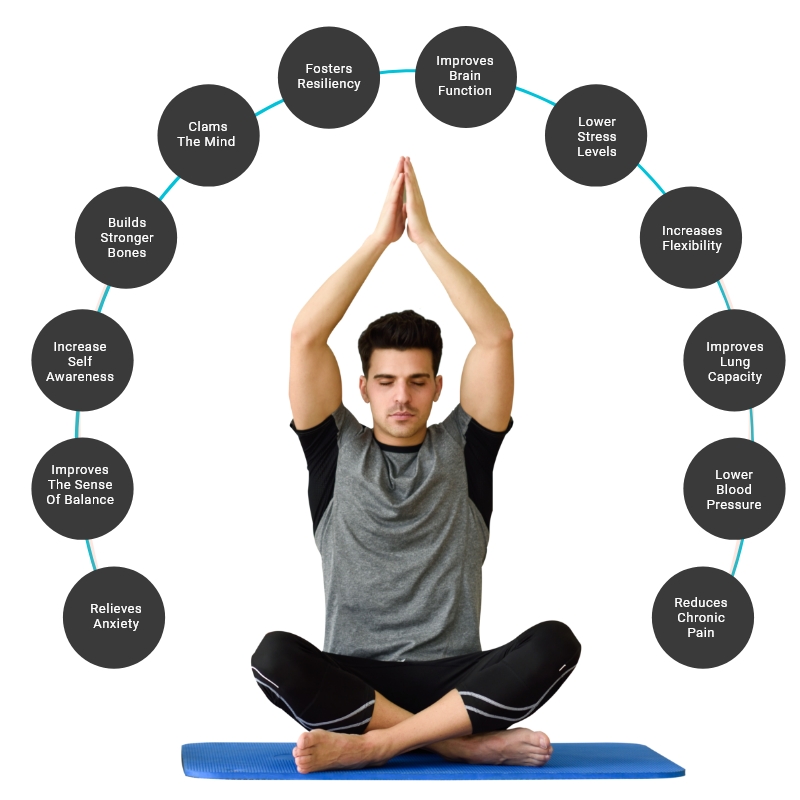
Benefits of Yoga
In one 9-week course of yoga, veterans were seen to experience significant reductions in anxiety, depression, and suicidal ideation. Mental health functioning scores were also improved, but pain intensity and physical health functionality did not show improvements.Elevated levels of cortical (the stress hormone) are commonly seen in depression, and yoga has demonstrated an ability to relieve hypercortisolemia and reduce other parameters of stress. A study into the effects of yoga on cortical and depression found that yoga might act at the level of the hypothalamus to create an 'anti-stress' effect by reducing cortical levels, thereby helping to bring about relief in depression.
A systematic review of 9 studies regarding yoga as a complementary approach for osteoarthritis found positive changes in psychological or physiological outcomes related to arthritisThe studies varied in length and not all of the studies used randomized controlled design; many had small sample sizes, different outcomes, and used non-standardized yoga interventions. Despite these limitations, the reviewers concluded that yoga appears to be a promising modality for arthritis.
In a study comparing people with asthma When comparing asthmatics in a yoga group and in a non-yoga control group with those in a control group, those in the yoga group had a significant improvement in a number of parameters suggesting improvements in symptoms of asthmas.These parameters included an improvement in levels of the proportion of hemoglobin and the antioxidant superoxide, and a significant decrease was found in total leukocyte count (TLC) and differential leukocytes count in comparison to control group.The yoga group had more significant improvements in biochemical variables than the control group. Results show that yoga can be practiced as adjuvant therapy with standard inhalation therapy for a better outcome of asthma.However, a systematic review assessing the effectiveness of yoga as a treatment for asthma concluded that there is insufficient quality evidence to support the belief that yoga alleviates asthma and that further, more rigorous trials are warranted.
Fatigue is one of the most frequently reported, distressing side effects reported by survivors of cancer and often has significant long-term consequences. Research indicates that yoga can produce invigorating effects on physical and mental energy, and thereby may improve levels of fatigue.These parameters included an improvement in levels of the proportion of hemoglobin and the antioxidant superoxide, and a significant decrease was found in total leukocyte count (TLC) and differential leukocytes count in comparison to control group.An 8-week yoga exercise program assessed whether yoga can decrease anxiety, depression and fatigue in patients with breast cancer. Fatigue was effectively reduced in the study but the intervention was not associated with a reduction in depression or anxiety.The authors of the study conclude that oncology nurses should strengthen their clinical health education and apply yoga to reduce the fatigue experienced by patients with breast cancer who undergo adjuvant chemotherapy.Another 12-week study found that restorative iyengar yoga was associated with reduced inflammation-related gene expression in breast cancer survivors with persistent fatigue. These findings suggest that a targeted yoga program may have beneficial effects on inflammatory activity in this patient population, with potential relevance for behavioral and physical health.
Secondary arm lymphedema continues to affect at least 20% of women after treatment for breast cancer, along with pain and restricted range of motion requiring lifelong professional treatment and self-management.A pilot trial was designed to investigate the effect of yoga on women with stage one breast cancer-related lymphedema. The 8-week yoga intervention reduced tissue induration of the affected upper arm and improved quality of life scores. Arm volume of lymphedema and extra-cellular fluid did not increase during the yoga intervention, but these benefits dissipated after the women stopped doing yoga, at which point arm volume of lymphedema increased.Additional research of a longer duration and with higher levels of lymphedema and larger numbers is warranted before definitive conclusions can be made.
A sedentary lifestyle and stress are major risk factors for cardiovascular disease. Since yoga involves exercise and is thought to help in stress reduction, it may be an effective strategy in the primary prevention of cardiovascular disease.Across 11 identified trials with 800 participants, researchers found that the limited evidence in this field comes from small, short-term, low-quality studies. There is some evidence that yoga has favorable effects on diastolic blood pressure, high-density lipoprotein (HDL) cholesterol and triglycerides, while the effects on low-density lipoprotein (LDL) cholesterol were uncertain. These results should be considered as exploratory and interpreted with caution.A further meta-analysis revealed evidence for clinically important effects of yoga on most biological cardiovascular disease risk factors. Despite methodological drawbacks of the included studies, yoga can be considered as an ancillary intervention for the general population and patients with increased risk of cardiovascular disease.
Effective stress management is a key part of managing blood pressure, and a number of systematic reviews have assessed the available evidence for yoga as a therapeutic tool for managing prehypertension and hypertension (elevated blood pressure). Researchers have found that yoga may be an effective adjunct treatment for hypertension, although further evidence is needed.These reviews found that although yoga is associated with decreases in both systolic and diastolic blood pressure, its effects are minimal compared with exercise. The studies reviewed varied greatly in duration, methodology, and in the type of yoga practiced, and the researchers called for future research that focuses on high quality clinical trials along with studies on the mechanisms of action of different yoga practices.The antihypertensive effects of yoga appear to be greater in people with cardiovascular disease, although people with normal blood pressure may also benefit.
Several studies suggest yoga may be effective for chronic low back pain and have shown that yoga intervention in populations with chronic low back pain may be more effective than usual care for reducing both pain and medication use.A randomized controlled study investigating medical yoga, exercise therapy and self-care advice concluded that 6 weeks of uninterrupted medical yoga therapy is a cost-effective early intervention for non-specific low back pain, when patients adhere to treatment recommendations.In another study, researchers investigated the effects of yoga on pain, brain-derived neurotrophic factor (BDNF), and serotonin in premenopausal women with chronic low back pain. BDNF and serotonin are considered mediators of nociceptive pain (i.e. pain felt due to tissue irritation or injury).Participants practiced yoga three times a week for 12 weeks and at the end of the study had a decrease in pain as measured on a Visual Analog Scale (VAS). The VAS score increased in the control group who did not practice yoga. Back flexibility also improved in the yoga group, while serum BDNF increased and serum serotonin and depression scores remained the same in the yoga group.
Physical activity has a positive effect on mental health and well-being. The aim of one study was to compare the effects of hatha yoga and resistance exercises on mental health and well-being in sedentary adults.Hatha yoga improved fatigue, self-esteem, and quality of life, whilst resistance exercise training improved body image. Hatha yoga and resistance exercise decreased depression symptoms at a similar level.Hatha yoga and resistance exercise may affect different aspects of mental health and well-being.
A comparative controlled trial compared the effects of yoga and walking for weight management in overweight and obese adults.Both groups showed a significant decrease in body mass index (BMI), waist circumference, hip circumference, lean mass, body water and total cholesterol. The yoga group increased serum leptin and decreased low-density lipoprotein (LDL) cholesterol. The walking group decreased serum adiponectin and triglycerides.Both yoga and walking improved anthropometric variables and serum lipid profile in overweight and obese persons.The prevalence of yoga research in western health care is increasing. The marked increase in volume indicates the need for more systematic analysis of the literature in terms of quality and results.
Yoga can ease pain. Studies have shown that practicing yoga asanas (postures), meditation or a combination of the two, reduced pain for people with conditions such as cancer, multiple sclerosis, auto-immune diseases and hypertension as well as arthritis, back and neck pain and other chronic conditions.
Falls amongst older people are a global health concern. Whilst falling is not a typical feature of aging, older people are more likely to fall and falls are a leading cause of death and disability.Yoga and tai chi have shown potential to improve balance and prevent falls in older adults. They also have the potential to improve pain and quality of life.In a 14-week program comparing yoga and tai-chi to usual care, yoga was associated with a slight decrease in the incidence of falls and a reduction in average pain scores in older adults. Although these changes were not statistically significant, the results showed positive changes to balance, pain and quality of life and a high level of interest through attendance amongst older participants.The results support offering tai chi and yoga to older people who are frail and dependent with physical and cognitive limitations.Another study observing body balance and postural control in young adults determined that a 5-month hatha yoga training program could improve postural control significantly in healthy adults.
In a study of the benefits and risk of yoga in individuals with bipolar disorder, the participants reported positive emotional effects, particularly reduced anxiety, positive cognitive effects (e.g., acceptance, focus, or "a break from my thoughts"), or positive physical effects (e.g., weight loss, increased energy). Some respondents considered yoga to be significantly life changing. The most common negative effect of yoga was physical injury or pain.Five respondents gave examples of specific instances where yoga practice increased their agitation or manic symptoms, while another five respondents gave examples of times that yoga increased depression or lethargy.
Survivors of cancer often report cognitive problems, and people undergoing cancer treatment often experience decreases in physical activity. Although physical activity benefits cognitive function in non-cancer populations, evidence linking physical activity to cognitive function in survivors of cancer is limited.A study comparing a group with and without yoga intervention found that those who practiced yoga more frequently reported significantly fewer cognitive problems at a 3-month follow-up compared to those who practiced less frequently.These findings suggest that yoga can effectively reduce cognitive problems in survivors of breast cancer and prompt further research on mind-body and physical activity interventions for improving cancer-related cognitive problems.
Assessment of the effects of a 9-week yoga intervention on chronic nonspecific neck pain found that neck-related disabilities were improved for at least 12 months after intervention completion. Sustained yoga practice was deemed the most important predictor of long-term effectiveness.
A meta-analysis of the effects of yoga in patients with chronic heart failure suggested that yoga compared with control had a positive impact on peak Vo2 (oxygen uptake, an indicator of exercise capacity) and health-related quality of life.Yoga could be considered for inclusion in cardiac rehabilitation programs. Larger randomized controlled trials are required to further investigate the effects of yoga in patients with chronic heart failure.A randomized controlled trial indicated that the addition of yoga therapy to standard medical therapy for heart failure patients has a markedly better effect on cardiac function and reduced myocardial stress measured using N terminal pro B-type natriuretic peptide in patients with stable heart failure.
Research looking at the effects of selected asanas in iyengar yoga over 6 weeks showed a significant increase in flexibility. Specifically, the results of this research indicate that 6 weeks of single session yoga training may be effective in increasing flexibility in the hamstring and erector spinae (the muscles extending the vertebral column).
Mother and baby yoga is becoming more and more popular as postpartum mothers discover the benefits of being able to "work out," bond with their baby and relax, all in one session.According to The Practicing Midwife, postnatal yoga can enhance feelings of calmness and a sense of well-being, helping mothers to improve and stabilize their emotional health and to bond with their baby. Additionally, yoga may help to strengthen the weakened pelvic floor and abdominal muscles and may even alleviate back and neck pain. For babies, yoga can aid digestion and alleviate colic, help to strengthen growing limbs, improve sleep patterns, and enhance their ability to interact with their mother and other people.
Hypertension, especially in the elderly, is a strong risk factor for cardiovascular mortality and morbidity. Oxidative stress has been implicated as one of the underlying causes of hypertension.A study found yoga to be an effective means to reduce oxidative stress and to improve antioxidant defense in elderly hypertensive individuals.In another, small study, researchers found that regular yoga practice could decrease oxidative stress and improve antioxidant levels, in addition to significantly increasing certain aspects of immune function and stress.Young, healthy university students volunteered for the study and were assigned either to a control group (13) who did no yoga, or a yoga group (12) who practiced yoga with an instructor for 90 minutes once a week for 12 weeks, with daily home-based practice for the duration.At the end of the 12-week study, the yoga group had significant decreases in markers for oxidative stress such as blood levels of nitric oxide, F2-isoprostane, and lipid peroxide. Antioxidant levels and activity, including total glutathione (GSH), activities of GSH-peroxidase, and GSH-s-transferase were remarkably increased after yoga practice compared with the control group.The researchers also noted that the yoga group had a significant increase in immune-related cytokines, such as interleukin-12 and interferon-gamma, suggesting immune benefits of yoga. The students practicing yoga also had significant reductions in levels of adrenalin and increased levels of serotonin compared with the control group, suggesting enhanced stress management.
Yoga is used for a variety of immunological, neuromuscular, psychological, and pain conditions. Recent studies indicate that it may be effective in improving pregnancy, labor, and birth outcomes.The breathing and meditation techniques can help enhance health and relaxation for those who are pregnant, and support mental focus to aid childbirth. Some postures are chosen specifically to help encourage an optimal fetal position.In a survey ascertaining the opinions, practices and knowledge about exercise, including yoga, during pregnancy
• 86% of women responded that exercise during pregnancy is beneficial
• 83% felt it was beneficial to start prior to pregnancy
• 62% considered walking to be the most beneficial form of exercise
• 64% of respondents were currently exercising during pregnancy
• 51% exercised 2-3 times a week
• 65% considered yoga to be beneficial
• 40% had attempted yoga before pregnancy.
A single session of yoga reduced both subjective and physiological measures of state anxiety and the reduction in anxiety persisted at the final session of the intervention. Antenatal yoga seems to be useful for reducing women's anxieties toward childbirth and preventing increases in depressive symptomatology.
• 86% of women responded that exercise during pregnancy is beneficial
• 83% felt it was beneficial to start prior to pregnancy
• 62% considered walking to be the most beneficial form of exercise
• 64% of respondents were currently exercising during pregnancy
• 51% exercised 2-3 times a week
• 65% considered yoga to be beneficial
• 40% had attempted yoga before pregnancy.
A single session of yoga reduced both subjective and physiological measures of state anxiety and the reduction in anxiety persisted at the final session of the intervention. Antenatal yoga seems to be useful for reducing women's anxieties toward childbirth and preventing increases in depressive symptomatology.
We all love to visit peaceful, serene spots that are rich in natural beauty. Little do we realize that peace can be found right within us and we can take a mini-vacation to experience this any time of the day! Benefit from a small holiday every day with yoga and meditation. Yoga is also one of the best ways to calm a disturbed mind.
Yoga can even help improve your relationship with your loved ones. A mind that is relaxed, happy and contented is better able to deal with sensitive relationship matters. Use Yoga and meditation to keep the mind happy and peaceful and watch how your relations with those around you blossom.