What Saying Our Customers
Modern forms of yoga have evolved into exercise focusing on strength, flexibility, and breathing to boost physical and mental well-being. There are many styles of yoga, and no style is more authentic or superior to another; the key is to choose a class appropriate for your fitness level.
1. Ashtanga yoga
Based on ancient yoga teachings but popularized in the 1970s, each of the six established sequences of postures rapidly link every movement to breath.Ashtanga means eight limbs, which comprises of Yama, Niyama, Asana, Pranayama, Pratyahara, Dharana, Dhyana and Samadhi. Each limb is very essential and complete. According to Lord Patanjali if these limbs are practiced dedicatedly under the guidance of traditional and authentic teacher, yoga can cure or lessen our physical, mental, moral and spiritual sufferings, his wisdom radiates in glory.Ashtanga Vinyasa Yoga is a style of yoga codified and popularized by K. Pattabhi Jois during the 20th century which is often promoted as a modern-day form of classical Indian yoga.[1] Ashtanga means eight limbs or branches of yoga mentioned in the Yoga Sutras of Patanjali, of which asana or physical yoga posture is merely one branch, breath or pranayama is another. Both Pattabhi Jois and Sharath Jois, his grandson, encourage practice of Ashtanga Yoga - all eight limbs. The first two limbs - Yamas and Niyamas - are given special emphasis to be practiced in conjunction with the 3rd and 4th limbs (asana and pranayama).
2. Bikram yoga
Held in artificially heated rooms at temperatures of nearly 105 degrees and 40% humidity, Bikram is a series of 26 poses and sequence of two breathing exercises.Bikram Choudhury founded Bikram’s Yoga College of India. We are fully dedicated to the wellness of the millions of people around the world. We spread the therapeutic value of Hatha Yoga through 26 postures sequence, which is known as Bikram Yoga.We offer this beneficial yoga to the world through our affiliated Bikram Yoga Studios. Our affiliated studios are located around the world.Bikram yoga is a form of yoga popularized by Bikram Choudhury in the 1970s in California. The patented practice involves repeating the same 26 poses in set cycles over a 90-minute class. Bikram yoga instructors go through a nine-week training program in which they learn the set practice and dialogue.
3. Hatha yoga
A generic term for any type of yoga that teaches physical postures. When a class is labeled as "hatha," it is usually a gentle introduction to the basic yoga postures.Most forms of yoga in the West can be classified as Hatha Yoga. Hatha simply refers to the practice of physical yoga postures, meaning your Ashtanga, vinyasa, Iyengar and Power Yoga classes are all Hatha Yoga. The word “hatha” can be translated two ways: as “willful” or “forceful,” or the yoga of activity, and as “sun” (ha) and “moon” (tha), the yoga of balance. Hatha practices are designed to align and calm your body, mind, and spirit in preparation for meditation.In yoga, Hatha yoga is one of many types of yoga practice. The practice of Hatha yoga focuses on total mastery of the physical body, including all bodily functions. It also emphasizes activating the chakras in order to stimulate kundalini and promote spiritual and physical wellness, including disease elimination
4. Iyengar yoga
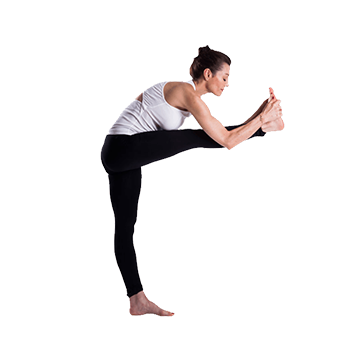
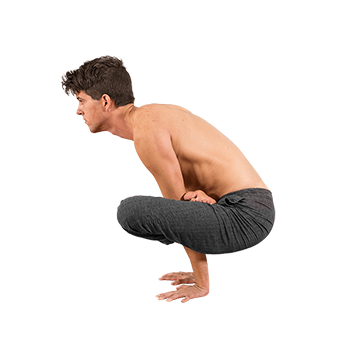
Focused on finding the proper alignment in each pose and using props such as blocks, blankets, straps, chairs and bolsters to do so.Iyengar yoga is meant for all and is a way of life. The use of props, designed by Guruji , such as wooden gadgets, belts, ropes helps the practitioner to achieve perfection in any asana. Regular practice of 'Iyengar Yoga' definitely integrates the body, mind and emotions.Iyengar Yoga teachers undergo a strict and in-depth training of three years before they get their first certificate. Afterwards, their training is ongoing according to standards set by the various Iyengar Associations in the world and supervised personally by the Iyengars in Pune.
5. Jivamukti yoga
Meaning, "liberation while living," jivamukti yoga emerged in 1984, incorporating spiritual teachings and vinyasa style practice. Each class has a theme, which is explored through yoga scripture, chanting, meditation, asana, pranayama, and music, and can be physically intense.Jivamukti Yoga is a path to enlightenment through compassion for all beings. The Jivamukti Method is grounded in the original meaning of the Sanskrit word asana as “seat, connection” – relationship to the Earth. Earth implies all of life. Citing Patanjali’s Yoga Sutra, which states that asana should be sthira and sukham, Jivamukti Yoga maintains that one’s relationship to others (asana) should be mutually beneficial and come from a consistent (sthira) place of joy and happiness (sukham). This is a radical idea that, when put into practice, can dismantle our present culture, which is based on the notion that the Earth and all other animals exist for our benefit and to be exploited for our own selfish purposes. So the practice of asana becomes more than mere physical exercise to keep one’s body fit or to increase strength or flexibility; it becomes a way to improve one’s relationship to all others and thus lead to enlightenment – the dissolution of the sense of separateness, the realization of the oneness of being, the discovery of lasting happiness.
6. Kripalu yoga
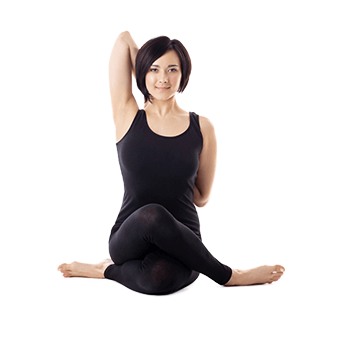
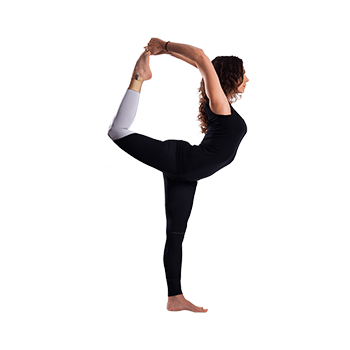
Teaches practitioners to get to know, accept and learn from the body. In a Kripalu class, each student learns to find their own level of practice on a given day by looking inward. The classes usually begin with breathing exercises and gentle stretches, followed by a series of individual poses and final relaxation.Kripalu yoga exercises are similar to the gentle style of Hatha sequences. It begins by understanding your body, and figuring out how it manages in different poses, as all bodies are different and we must take this individuality into consideration always. There is a focus on "press points" that are attuned to your body, so that you will gradually learn not to do poses in the ways prescribed by the books and experts, but in a way that best suits your body.In yoga, we learn that many styles are derived from Hatha sequencing. Kripalu yoga is one of the many that is based on the philosophy that you should practice just as how you should live your life. Like all forms of yoga, breathing exercises (pranayama), poses (asana), and meditation are all equally important. But Kripalu yoga teaches that the body is the center of your being, and so you must learn from, as well as learn to accept, your body as your best teacher.
7. Kundalini yoga
The Sanskrit word kundalini means coiled, like a snake. Kundalini yoga is a system of meditation directed toward the release of kundalini energy. A class typically begins with chanting and ends with singing, and in between features asana, pranayama, and meditation designed to create a specific outcome.Kundalini Yoga as taught by Yogi Bhajan®is also known as the Yoga of Awareness; its focus is on self-awareness and delivering an experience of your highest consciousness. Combining meditation, mantra, asanas and breathing techniques; it is Raj Yog and encompasses the eight limbs of yoga into a singular practice of excellence and ecstasy. Kundalini Yoga is a science of the mind and body, to elevate the spirit, which has no boundaries, no discrimination.Through the practice of Kundalini Yoga, an individual can unite his/her consciousness with Cosmic Consciousness on a regular basis by carefully performing the exercises and meditations in specific sequence and combination. A student soon becomes adept at perceiving the movement of energy within and outside of his/her body, and consciously begins to direct its flow to stimulate and awaken the chakras, for healing himself/herself and others, and becomes a co-creator with universal energies.
8. Power yoga
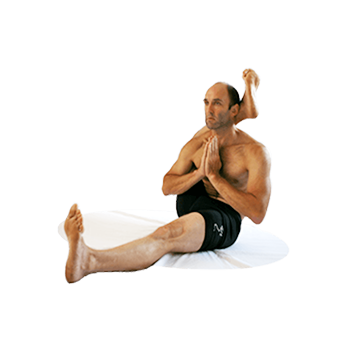
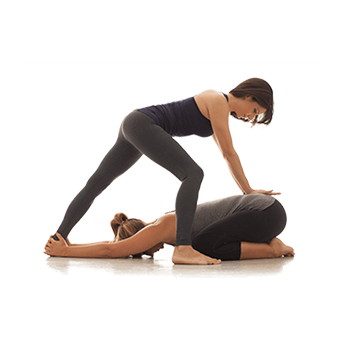
An active and athletic style of yoga adapted from the traditional ashtanga system in the late 1980s.This style, just like Ashtanga Vinyasa is very dynamic in nature, made for those looking for a complete workout along with a cardio routine. It is a flow-based session with a well-choreographed sequence of asanas. Power Yoga is the ultimate cross training system, with low impact movement, flexibility, cardio, strengthening and muscle toning benefits.Power Yoga is a fitness-based vinyasa practice. An offshoot of Ashtanga Yoga, it has many of the same qualities and benefits, including building internal heat, increased stamina, strength, and flexibility, as well as stress reduction. Teachers design their own sequences, while students synchronize their breath with their movement. The original Power Yoga was developed and founded by Beryl Bender Birch, but is now a term used to describe many vigorous vinyasa styles.
9. Sivananda
A system based on a five-point philosophy that holds that proper breathing, relaxation, diet, exercise, and positive thinking work together to form a healthy yogic lifestyle. Typically uses the same 12 basic asanas, bookended by sun salutations and savasana poses.Sivananda yoga, after teachings of Swami Sivananda, is a non-proprietary form of hatha yoga in which the training focuses on an integrative approach to yogic disciplines. Sivananda Yoga is a school of traditional Hatha yoga. The discipline teaches the 4 paths of yoga; karma, bhakti, raja & jnana and requests the student practice all four and eventually picking one main path as the focus with the others being supplementary. Sivananda Yoga teachers are all graduates of the Sivananda Yoga Teacher Training Course,[3] and students widely range in age and degrees of ability.
10. Viniyoga
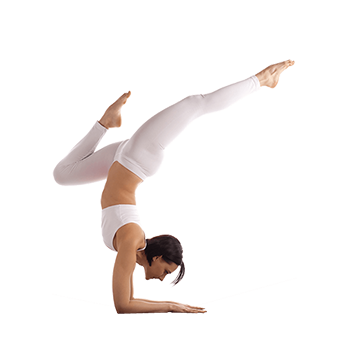
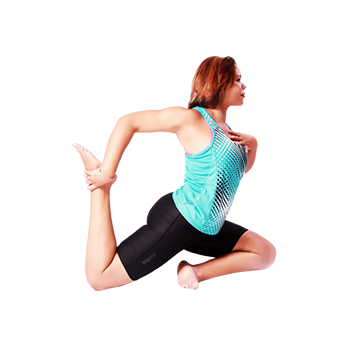
Intended to be adaptable to any person, regardless of physical ability, viniyoga teachers are required to be highly trained and tend to be experts on anatomy and yoga therapy.The American Viniyoga Institute™ uses the term Viniyoga to refer to an approach to yoga that adapts the various means and methods of practice to the unique condition, needs and interests of each individual – giving each practitioner the tools to individualize and actualize the process of self-discovery and personal transformation.The practices of yoga provide the means to bring out the best in each practitioner. This requires an understanding of a person’s present condition, personal potential, appropriate goals and the means available. Just as every person is different, these aspects will vary with each individual.
11. Yin
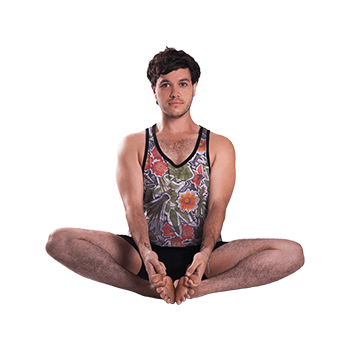
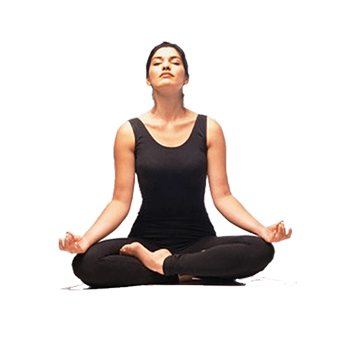
A quiet, meditative yoga practice, also called taoist yoga. Yin yoga enables the release of tension in key joints: ankles, knees, hips, the whole back, neck, and shoulders. Yin poses are passive, meaning the muscles should be relaxed while gravity does the work.Yin yoga is a slow-paced style of yoga with asanas that are held for longer periods of time—five minutes or more per pose is typical. Yin Yoga is unique in that you are asked to relax in the posture, soften the muscle and move closer to the bone. Yin Yoga offers a much deeper access to the body and heightens your awareness. Ideal for practitioners looking at a slow placed and a more relaxed style of yoga.A Yin yoga class usually consists of a series of long-held, passive floor poses that mainly work the lower part of the body - the hips, pelvis, inner thighs, lower spine. These areas are especially rich in connective tissues. The poses are held for up to five minutes, sometimes longer.
12. Prenatal yoga
Yoga postures carefully adapted for people who are pregnant. Prenatal yoga is tailored to help people in all stages of pregnancy and can support people in getting back into shape after pregnancy.Much like other types of childbirth-preparation classes, prenatal yoga is a multifaceted approach to exercise that encourages stretching, mental centering and focused breathing. Research suggests that prenatal yoga is safe and can have many benefits for pregnant women and their babies.Much like other types of childbirth-preparation classes, prenatal yoga is a multifaceted approach to exercise that encourages stretching, mental centering and focused breathing. Research suggests that prenatal yoga is safe and can have many benefits for pregnant women and their babies.
13. Restorative yoga
Yoga postures carefully adapted for people who are pregnant. Prenatal yoga is tailored to help people in all stages of pregnancy and can support people in getting back into shape after pregnancy.A restorative yoga sequence typically involves only five or six poses, supported by props that allow you to completely relax and rest. Held for 5 minutes or more, restorative poses include light twists, seated forward folds, and gentle backbends. Most restorative practices are based on the teachings of B.K.S. Iyengar.A restorative yoga sequence typically involves only five or six poses, supported by props that allow you to completely relax and rest. Held for 5 minutes or more, restorative poses include light twists, seated forward folds, and gentle backbends.